Sozopol – City Tour
Sozopol is the oldest town on the Bulgarian Black Sea cost. The first settlement here was founded back in the end of the IV-III millennium B.C. Underwater exploration within the aquatory of the Sozopol harbor have revealed remnants of homes, ceramic dishes, stone and bone tools dated back to the Bronze Age. In the Bay of Sozopol there have also been found numerous stone anchors and typhons from the II-I Millennium B.C. They are evidence of an active navigation in such anccient times.
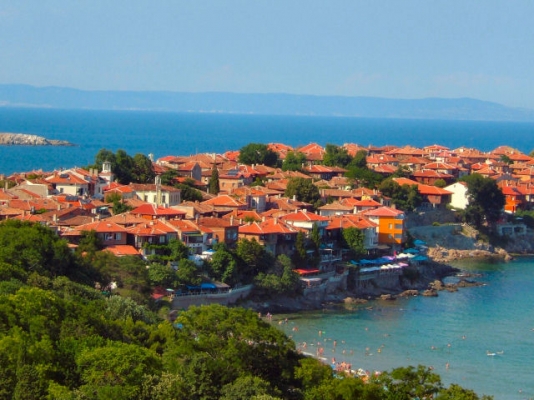
A view of Sozopol
In the year 610 B.C. on the place of modern Sozopol a Hellenistic colony (polis) is founded by the Millet Greeks who give it the name of Apolonia Pontica. The town is named after Apollo, the Greek God believed to protect colonies. The town has grown as an important commercial and harbor center. It keeps active contacts with large centers of Ancient Hellas, such as Millet, Athens, Corinth, Heraclea Pontica, the islands of Rhodes, Chios, Lesbos and many others. Its commercial influence on Thracia is based on a union with the ruler of the Odrisian Kingdom founded in V B. C. Apolonia Pontica competes with the colony, established about one century later by the Megarians, Mesemvria. The Megarians want to keep commercial contacts with Thracians through the Burgas Bay. In response, Apolonia founds its own colony, Anhialo, in the southern part of Mesemvria. The new colony, apart from defending the access to the Bay of Bourgas, abounds in underwater salt deposits. The active salt extraction in such early ancient times is evidenced by the alterations on the bottom of the Bay.
The anchor becomes an emblem of Apolonia and an indispensible sign on the coins that its mints since the end of VI century B.C. The rich town turns into a center of highly developed arts. Its contemporaries call it Apolonia Magna (the Great Apolonia). A large temple of God Apollo is built in the town, even though its exact location is not known nowadays, supposedly the island of Cyric.
In the year 72 B.C. the town is conquered and robbed by the Romans and its castle wall is demolished. The commander, pro-consul Marc Lucul, who has defeated the town takes away the famous statute of God Apollo from its sanctuary and places it on the Capitol in Rome. In IV century it again is in a period of flourishing and is already known under the name Sozopolis - “the town of salvation“. The traditionally Byzantine town and fortress in the in hinterland of Constantinople, and as late as in the year 812 – under the rule of the Bulgarian Khan Krum – it enters for a short period within the boundaries of the Bulgarian state.
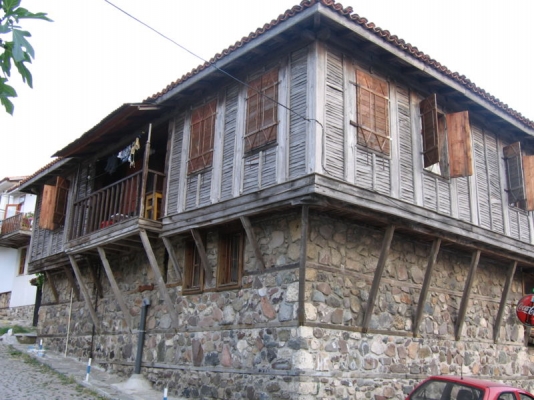
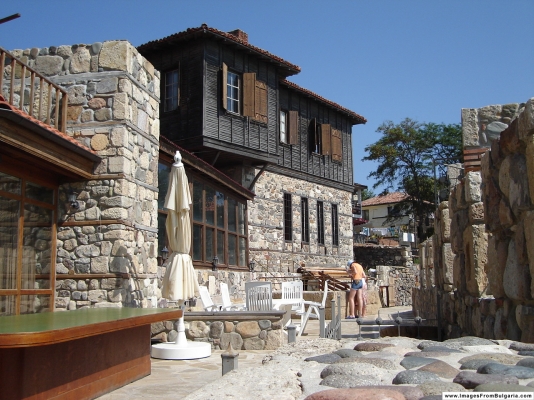
You can find preserved churches and a great number of houses from the XVIII-XIX, made of stone and wood, creating the incomparable architectural appearance of Sozopol today. The ancient icons and splendid wood-carved chancel screens are remarkable achievements of the art crafts of the epoch.
A part of the Greek population of Sozopol moves out of the town in the 1920s of the 20th century and founds the village of Sozopoli on the Khalkidhiki Peninsula in Greece.
* the trip is offered to individual tourists after placement of a preliminary order.